The shingles vaccine was linked to fewer dementia diagnoses
What the study found
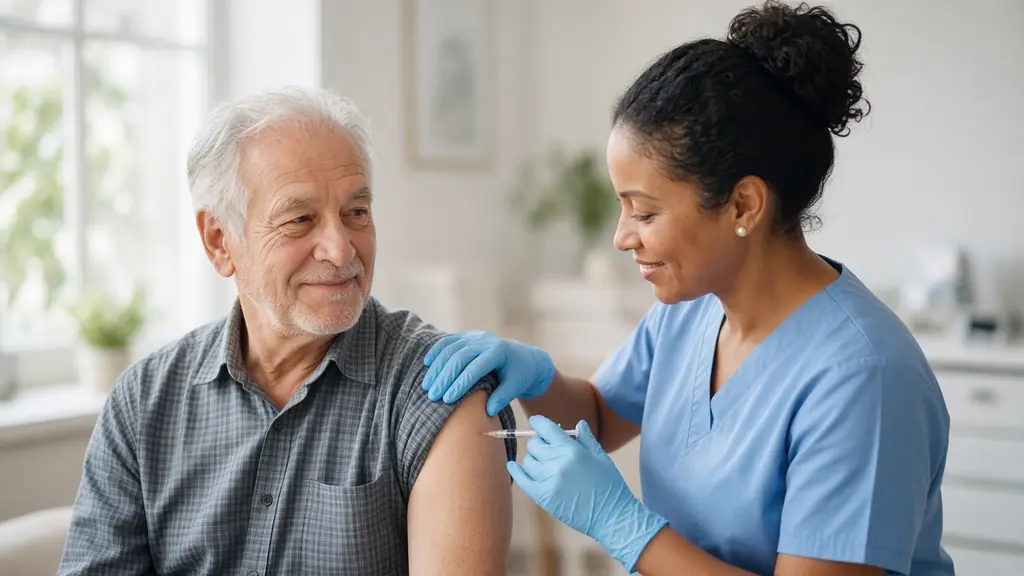
In Wales, people born on or after September 2, 1933, were eligible for the shingles vaccine. People born before that date were not. Researchers at Stanford University used this rule to compare people born just a few days apart. These people were very similar, except for their chances of receiving the vaccine. Over seven years, getting the vaccine reduced the chance of a new dementia diagnosis by about 3.5 percentage points. This was equal to a 20% reduction. The effect was greater among women. The researchers found similar results when they examined death certificates from England and Wales.
What this means in practice
The shingles vaccine is already recommended to prevent shingles and the pain it can leave behind. Ask your doctor whether the vaccine is recommended for you. Its possible effect on memory is still being studied and should not be the only reason to get vaccinated.
Study limitations
This was not a randomized study. The vaccine studied was an older type made with a weakened live virus. A different vaccine is used today, and that vaccine was not tested in this study.
Important notice: Mais Anos summarizes scientific studies for information only. It is not medical advice, does not diagnose and promises no cure. Always talk to your doctor before changing treatments or habits.